
Real-World Scenarios
See how teams in your industry use Asrify to solve common challenges.
Managing Product Development Across Teams
Your SaaS company has 25 people across product, engineering, design, and customer success. Coordinating work across teams is chaotic, and you lack visibility into where time goes.
Create projects for each product area in Asrify. Track time against features and initiatives. Use Kanban boards to visualize work in progress. Task comments keep context attached to the work.
Complete visibility into development velocity. Product managers know exactly what engineering is working on. Time data informs roadmap prioritization.
Tracking Time to Inform SaaS Metrics
Your investors want to see unit economics. You need to understand the true cost of building features and maintaining the product.
Track time across all activities: new features, bug fixes, infrastructure work, customer support. Reports show time allocation by category. Calculate cost per feature based on team salaries.
Clear data on development costs. You can confidently answer investor questions about unit economics and development efficiency.
Product Sprint Management
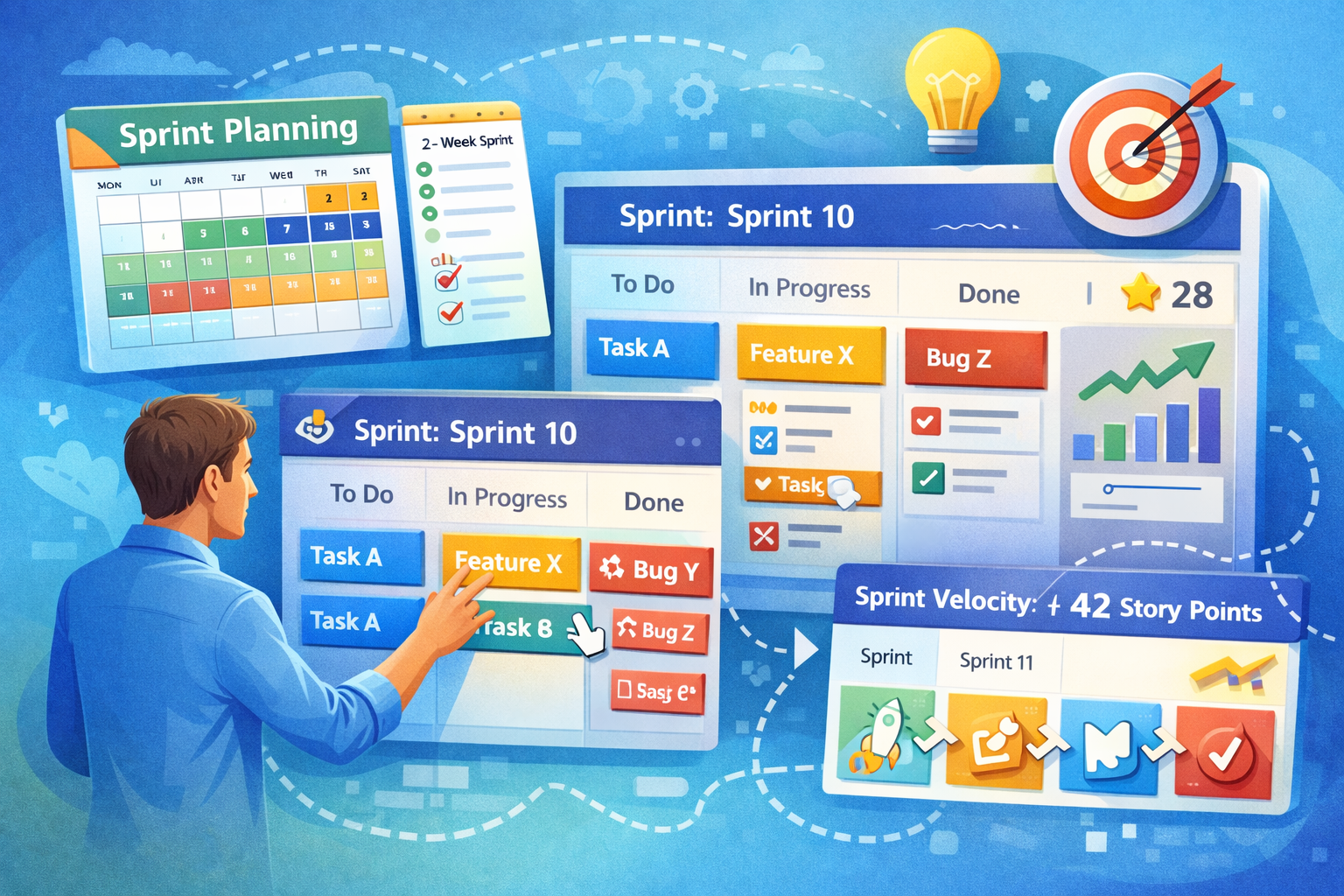
Organize work in sprints. Track what ships each cycle.
- Sprint Planning - Plan two-week sprints with clear goals.
- Velocity Tracking - Measure story points or hours per sprint.
- Sprint Timeline - Visualize sprint timelines and milestones.
Development Time Tracking
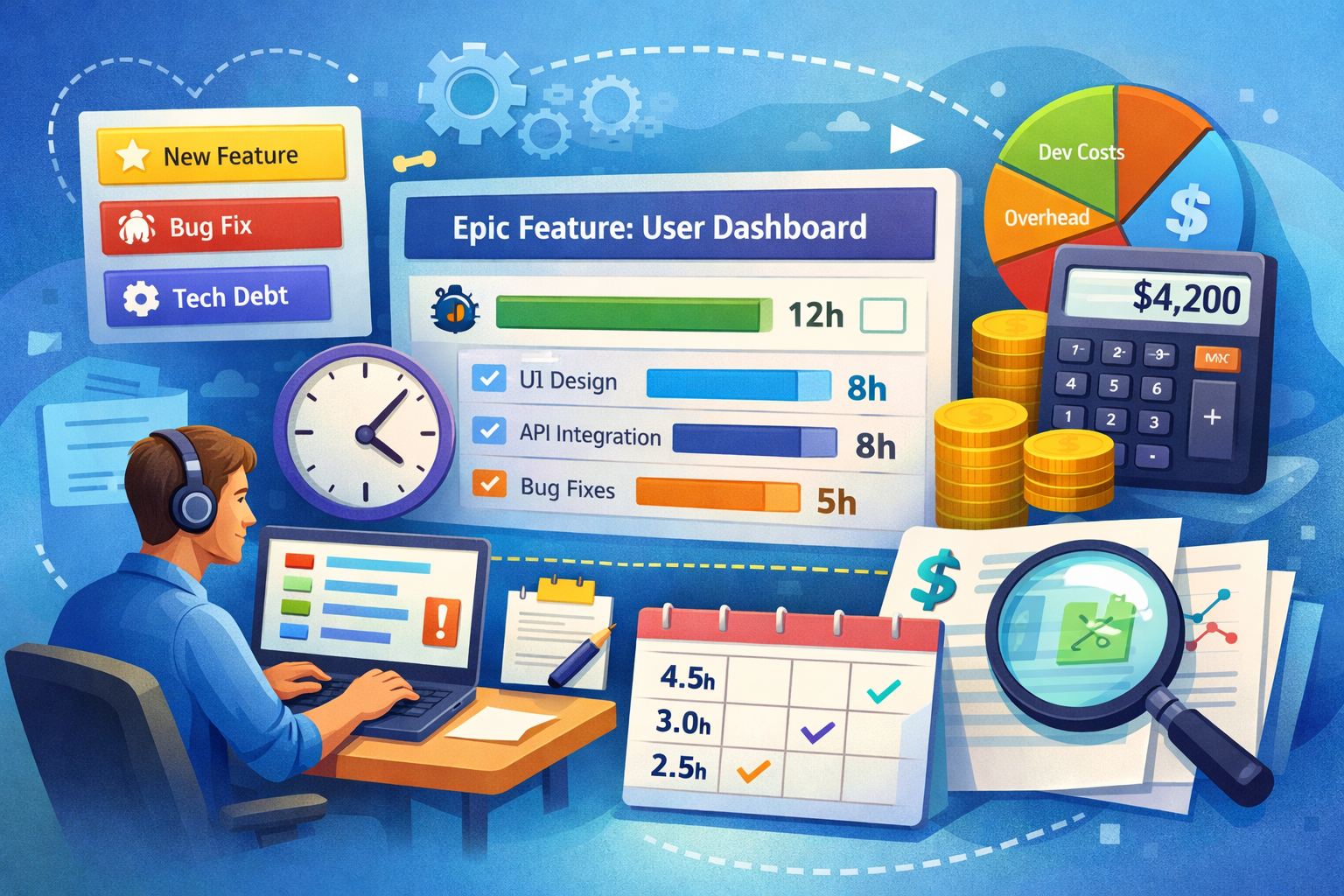
Track time on features, bugs, and maintenance work.
- Feature-Level Tracking - Log time to specific features and epics.
- Development Categories - Separate new features, bugs, and tech debt.
- Cost Analysis - Calculate true cost of feature development.
Running a SaaS Product Organization
SaaS companies face a unique challenge: they sell software that is never finished. Unlike traditional software with defined releases, SaaS products require continuous development, constant improvement, and relentless attention to customer needs. This creates pressure to ship frequently while maintaining quality—a balance that requires disciplined processes and clear visibility into team capacity.
Engineering cost is typically the largest expense line for SaaS companies after employee salaries. Understanding where that investment goes—new features versus maintenance versus technical debt—directly impacts strategic decision-making. Boards and investors increasingly expect granular data on development efficiency, not just revenue growth. Companies that can demonstrate improving unit economics attract better valuations and more favorable funding terms.
Cross-functional coordination becomes critical as SaaS companies scale. Product managers define what to build. Designers shape the user experience. Engineers implement. Customer success feeds back what users actually need. Marketing announces features. When these functions operate in silos, releases slip, customers receive inconsistent updates, and teams duplicate effort. Shared visibility into work in progress prevents many coordination failures.
The subscription model creates both stability and pressure. Recurring revenue provides predictability but also raises the stakes for retention. Every bug that frustrates users, every missing feature that triggers churn, has compounding effects on the business. Engineering teams need to balance new feature development with the maintenance and support work that keeps existing customers satisfied—a balance that requires understanding where time actually goes.
Asrify gave us visibility into our development velocity. We finally know how long features actually take.